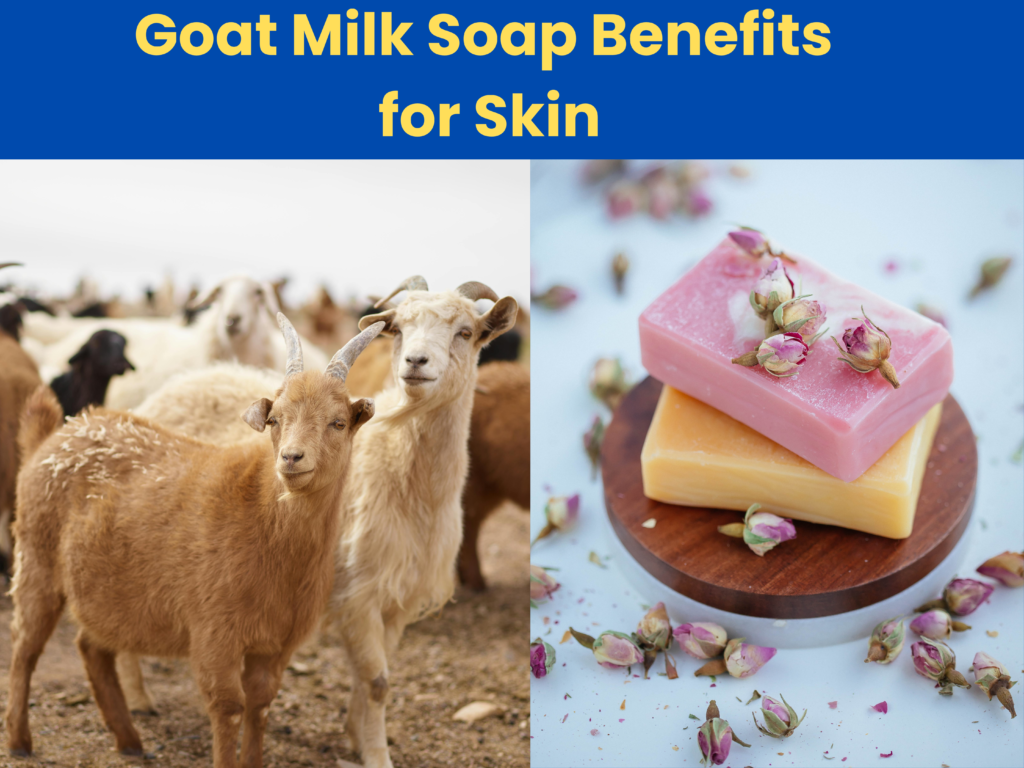
Goat Milk Soap Benefits for Skin
Goat Milk Soap Benefits for Skin
Goat milk soap has gained popularity as a natural skincare product, lauded for its gentle and nourishing properties. Unlike conventional soaps that can strip the skin of its natural oils, goat milk soap offers a moisturizing and soothing alternative. Rich in essential nutrients and gentle exfoliants, the benefits of goat milk soap extend to various skin types and skin conditions. It’s a choice for those with sensitive skin and individuals seeking to improve their overall skin health.
Understanding the Benefits of Goat Milk Soap
What is Goat Milk Soap?
Goat milk soap is made using fresh goat milk combined with other natural ingredients like oils and butters. This process retains the beneficial components of the milk, making it a superior choice for soap for your skin. Goat milk contains vitamins, minerals, and fatty acids that contribute to healthy skin. When using goat milk in soap, these elements are preserved, delivering moisturizing and nourishing advantages of goat milk directly to the skin. Goat milk also contributes to the creamy texture of the soap bar, enhancing the overall cleansing experience.
Surprising Goat Milk Soap Benefits
Here’s why goat milk soap is gaining popularity: its unique composition offers a range of benefits. Specifically, goat milk soap contains:
- Lactic acid, which gently exfoliates the skin, helping to remove dead skin cells without causing irritation.
- Fatty acids that help hydrate the skin and keep your skin moisturized, making it ideal for dry or sensitive skin.
Unlike harsh chemicals that can strip the skin of its natural oils, using goat milk provides a gentle yet effective cleanse. Goat milk soap also contains properties that can soothe irritated skin and reduce inflammation.
Benefits of Using Goat Milk for Healthy Skin
The advantages of goat milk extend beyond basic cleansing. Goat milk soap helps maintain the skin’s natural moisture balance, preventing dryness and promoting a healthy skin barrier. For those with conditions like eczema or acne-prone skin, goat milk soap can help soothe inflammation and reduce breakouts. By choosing natural goat milk soap, you are opting for a product that is less likely to contain harsh chemicals that can irritate the skin. Instead, you nourish the skin with essential nutrients and gentle exfoliants. Regular use of goat milk soap offers long-term benefits for maintaining healthy, radiant skin.
Using Goat Milk Soap for Sensitive Skin
Why Choose Goat Milk Soap for Sensitive Skin?
For individuals with sensitive skin, selecting appropriate skincare products can be a challenge. The benefit of goat milk soap lies in its mild and nourishing composition, making it an excellent option for those prone to irritation. Unlike many commercial soaps laden with harsh chemicals and artificial fragrances, natural goat milk soap offers a gentle cleansing experience. Using goat milk in soap can help soothe irritated skin, reduce redness, and alleviate dryness often associated with sensitive skin. The natural ingredients present in goat milk work harmoniously to cleanse without stripping the skin of its natural oils, maintaining a healthy skin barrier and preventing further irritation. The properties found in goat milk work to support overall skin health without causing adverse reactions.
Natural Goat Milk Soap vs. Commercial Soap Bars
The distinction between natural goat milk soap and commercial soap bars is significant, especially when considering skin health. Compared to goat milk soap, commercial soaps have some disadvantages, including:
- Synthetic detergents and harsh chemicals that can strip the skin of its natural oils.
- Potential to cause dry skin and irritation.
In contrast, goat milk soap is made with fresh goat milk and natural oils, retaining beneficial components that hydrate and nourish the skin. The lactic acid in goat milk gently exfoliates the skin and removes dead skin cells, while fatty acids in goat milk keep your skin moisturized and supple. Goat milk soap contains no harsh chemicals, artificial fragrances, or preservatives, making it a safer and gentler choice for all skin types, especially dry or sensitive skin.
How Goat Milk Soap Benefits Your Skin
Goat milk soap benefits extend beyond basic cleansing, offering a multitude of advantages for skin health. The soap’s rich composition of vitamins, minerals, and fatty acids works synergistically to protect the skin and maintain its optimal condition. Using goat milk can help balance the skin’s natural pH levels, preventing dryness and promoting a healthy skin barrier. The lactic acid present in goat milk gently exfoliates the skin and removes dead skin cells, revealing smoother, brighter skin. Regular use of goat milk soap helps hydrate the skin, soothe irritated skin, and reduce inflammation associated with acne-prone skin. Moreover, the soap’s gentle cleansing action helps eliminate bacteria on the skin without disrupting its delicate balance, making it a superior choice for those seeking a natural and effective skincare solution.
Making Your Own Goat Milk Soap
Steps to Make Goat Milk Soap at Home
For those inclined toward a hands-on approach, learning how to make goat milk soap at home can be both rewarding and cost-effective. The initial steps involve gathering several key ingredients, notably:
- Fresh goat milk
- A base oil like olive or coconut oil
- Lye (sodium hydroxide)
When you make goat milk soap, remember that safety is paramount, so always wear gloves and eye protection when handling lye. Gently mix the lye into the goat milk, taking care to keep the mixture cool to prevent scorching the milk. Once the lye is fully dissolved, combine it with the oils and stir until the mixture thickens. Pour the soap into a mold and let it sit for several weeks to cure, allowing the saponification process to complete and the soap to harden.
Choosing the Right Goat Milk Products
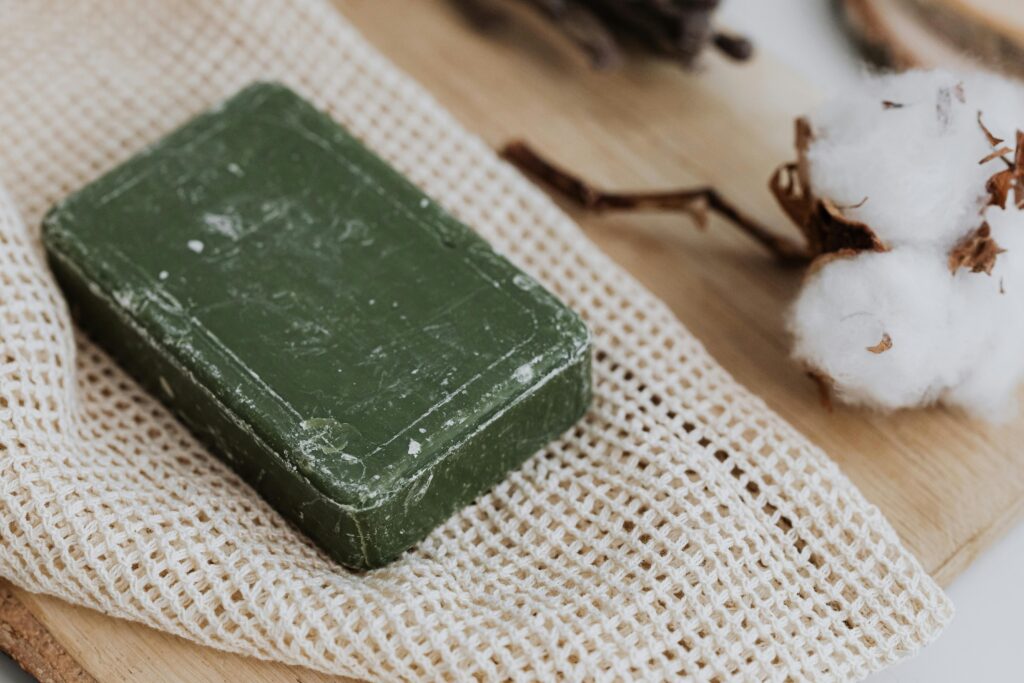
Selecting the right goat milk products is crucial for successful soap making. Fresh goat milk, ideally sourced from a local farm, is the most beneficial due to its high nutrient content. However, pasteurized goat milk can also be used, although some of the beneficial enzymes may be reduced. Alternatively, powdered goat milk can be rehydrated and used in the soap-making process, providing a convenient option for those without access to fresh milk. When choosing goat milk products, opt for those without added preservatives or artificial ingredients to ensure a pure and natural soap.
Ingredients for a Gentle Soap for Your Skin
To craft a gentle soap for your skin, consider incorporating a variety of nourishing ingredients. In addition to goat milk, include moisturizing oils like shea butter, cocoa butter, and sweet almond oil to enhance the soap’s hydrating properties. Essential oils such as lavender, chamomile, or calendula can be added for their soothing and anti-inflammatory properties, making the soap suitable for sensitive skin. Natural exfoliants like oatmeal or honey can also be incorporated to gently exfoliate the skin and remove dead skin cells. By carefully selecting ingredients that complement the benefits of using goat milk, you can create a soap that nourishes the skin and promotes skin health.
Conclusion
In summary, the benefits of goat milk soap extend to a wide range of skin types and skin conditions, making it a versatile and beneficial addition to any skincare routine. The unique composition of goat milk, rich in lactic acid, fatty acids, and essential nutrients, works synergistically to nourish the skin, hydrate the skin, and maintain its health. Whether you’re seeking relief from dry skin, looking to soothe irritated skin, or simply aiming to improve your overall skin health, goat milk soap offers a gentle and effective solution. The advantage of goat milk lies in its ability to cleanse without stripping the skin of its natural oils, making it particularly suitable for those with sensitive skin and individuals prone to conditions like eczema or acne-prone skin. By incorporating goat milk soap into your daily regimen, you can experience the numerous goat milk soap benefits and unlock radiant, healthy skin.
The market offers a variety of goat milk soaps to cater to different preferences and needs. From natural goat milk soap bars infused with essential oils to liquid formulations designed for facial cleansing, there’s a product to suit every lifestyle. When selecting goat milk soaps, it’s essential to prioritize those made with fresh goat milk and natural ingredients, avoiding harsh chemicals or artificial additives that can negate the advantages of goat milk. Look for formulations that are specifically tailored to your skin type, whether you have dry or sensitive skin, oily skin, or combination skin. By carefully reading labels and choosing reputable brands, you can ensure that you’re getting the most out of your goat milk soap and maximizing its potential benefits for your skin. The goat milk soap contains properties that will help your skin thrive and remain healthy, making it a wonderful choice for many people.
In addition to its direct benefits for skin health, using goat milk has broader implications for sustainability and ethical sourcing. Many artisanal soap makers prioritize the use of locally sourced, humanely raised goat milk, supporting small-scale farmers and promoting environmentally conscious practices. By opting for goat milk soap made with sustainably sourced ingredients, you can not only care for your skin but also contribute to a more responsible and ethical consumer landscape. The advantages of goat milk extend beyond personal care, encompassing a commitment to environmental stewardship and community support. As consumers become increasingly aware of the impact of their purchasing decisions, the demand for goat milk products is likely to grow, further incentivizing sustainable farming practices and ethical sourcing initiatives. When you use goat milk soap, you are investing in your health and the health of the environment.
FAQ: Frequently Asked Questions
What are the main benefits of goat milk soap for skin?
Natural goat milk soap is prized because goat milk soap benefits include gentle cleansing, hydration, and mild exfoliation. The lactic acid in goat milk helps to remove dead skin cells while the fatty acids in goat milk and the natural fats present in the formula work to hydrate the skin and protect the skin by supporting the skin barrier. Because goat milk contains nutrients and vitamins similar to those found in human skin, many people notice improved skin health and healthy skin after switching to goat milk soaps.
Is goat milk soap good for sensitive skin?
Yes. A major reason people choose goat milk soap is that it is a choice for those with sensitive and dry or sensitive skin. The soap is typically free of harsh detergents, and goat milk also contains soothing components that can soothe irritated skin and reduce inflammation. Because it helps to keep your skin hydrated and maintains the skin of its natural oils, it tends to be less irritating than conventional soaps for many people.
How does using goat milk help to exfoliate the skin?
The mild alpha hydroxy acid, specifically lactic acid in goat milk, acts as a gentle chemical exfoliant. It helps to remove dead skin cells without aggressive scrubbing, which can be especially beneficial for dry skin and acne-prone skin that may be sensitive to physical exfoliants. Regular use of goat milk soap can help reveal smoother skin and improve texture while supporting overall skin health.
Can goat milk soap help with eczema and other skin conditions?
Many people with conditions like eczema report relief when they use goat milk soap. The combination of moisturizing fats and the naturally soothing properties of fresh goat milk can soothe irritated skin and reduce itchiness. While results vary by individual and severe cases should be managed by a healthcare provider, goat milk soap help for mild-to-moderate flare-ups is commonly cited among the advantages of goat milk products.
Does goat milk soap help acne-prone skin?
Goat milk soap offers a balanced approach for acne-prone skin. The gentle cleansing removes excess oil and impurities without stripping the skin’s natural oils, and the mild acidity from lactic acid in goat milk can help manage dead surface cells that clog pores. Additionally, some of the natural components may inhibit growth of certain bacteria on the skin, which can be helpful when combined with a proper skincare routine.
What does goat milk soap contains that makes it different from regular soap?
Typically, goat milk soap contains fatty acids in goat milk, vitamins (A, D, B), minerals, and lactic acid in goat milk. These components work together to nourish the skin, maintain moisture, and mildly exfoliate the skin. Because these ingredients closely match elements found in human skin, the soap is often less disruptive to the skin barrier than harsher formulations.
How should I use goat milk soap for best results?
To maximize goat milk soap benefits, lather the soap bar between your hands and apply gently—avoid aggressive scrubbing. For facial use, rinse thoroughly and follow with a moisturizer to keep your skin hydrated. People with dry skin or conditions like eczema can use it daily; those with acne-prone skin may prefer to alternate with targeted acne treatments. Patch-test new goat milk products first if you have very irritated skin.
Are there different types of goat milk soaps and how are they made?
Yes. Goat milk soap is made in various ways—cold-process, hot-process, and melt-and-pour—using fresh goat milk or powdered forms. The formulation can include additional natural oils, essential oils, or exfoliants. If you want to make goat milk soap, basic recipes call for lye and fresh goat milk combined with fats; however, for safety and quality, many beginners buy natural goat milk soap or follow trusted tutorials.
Can goat milk soap help to protect the skin and support the skin barrier?
Yes. The moisturizing lipids and gentle pH of many goat milk soaps help to support and not strip the skin barrier, which is essential to protect the skin from environmental stressors and moisture loss. By helping to hydrate the skin and maintain natural oils, the soap can contribute to overall resilience and skin health.
Why might someone choose goat milk soap over conventional soap?
People choose goat milk soap for its perceived advantages of goat milk such as gentle cleansing, nourishing fats, and mild exfoliation from lactic acid in goat milk. It’s a popular soap for your skin when dealing with dry or sensitive skin, irritated skin, or to nourish the skin without harsh ingredients. Whether for daily use or specific skin condition management, many find it a beneficial goat milk product and a good alternative to ordinary soap.
What are the main benefits of goat milk soap for skin?
Natural goat milk soap offers several advantages for skin health and maintaining healthy skin. Because goat milk contains nourishing components like lactic acid in goat milk and fatty acids in goat milk, goat milk soap benefits include gentle cleansing, mild exfoliate the skin action to remove dead skin cells, and helping to hydrate the skin. The soap’s composition helps support the skin barrier and can be a better choice for those with sensitive complexions compared with harsher detergents. In short, the advantages of goat milk translate into a soap that cleanses while helping to protect the skin and nourish the skin.
What are the main benefits of goat milk soap for the skin?
Goat milk soap benefits include gentle cleansing, moisturization, and mild exfoliation. Because goat milk contains natural emollients such as fatty acids in goat milk and nutrients like vitamins A and D, it helps hydrate the skin and support skin health. The presence of lactic acid in goat milk can gently exfoliate the skin, helping to remove dead skin cells without harsh scrubbing, which promotes healthy skin. For many people, natural goat milk soap is a nourishing soap for your skin and an attractive choice for those with sensitive skin types because it tends to be milder than conventional bars.
Is goat milk soap good for sensitive skin?
Yes. People with sensitive skin often find that goat milk soap offersgoat milk soap containsprotect the skin and maintain the skin barrier. The soap’s ability to soothe irritated skin and its mild exfoliation from lactic acid in goat milk reduce the likelihood of irritation. As a result, goat milk soap can helpdry or sensitive skin avoid the stinging or tightness that some harsh cleansers cause.
How does goat milk soap help with dry skin?
Goat milk soap helps dry skin by supplying moisturizing components found in fresh goat milk and retained in well-crafted bars. The fatty acids in goat milk and natural creams nourish and hydrate the skin, helping to keep your skin supple and less prone to flaking. Regularly using a soap bar made from goat milk can improve overall skin health by restoring lipids that support the skin barrier, which in turn reduces water loss and relieves tightness.
Can goat milk soap help with eczema or other skin conditions?
Many people report that goat milk soaps are beneficial for conditions like eczema and dermatitis. Because goat milk containsprotect the skin, it can reduce itch and inflammation associated with irritated skin. The moisturizing properties can support healing of compromised areas and help restore the skin barrier. While goat milk soap can helpskin conditions should be managed with guidance from a healthcare provider; goat milk soap is often used as a supportive, not primary, treatment.
Does goat milk soap help to remove dead skin cells?
Yes. The lactic acid in goat milk is an alpha hydroxy acid that gently exfoliate the skin by loosening the bonds between dead skin cells, promoting their natural shedding. Unlike aggressive chemical peels or rough scrubs, natural goat milk soap provides mild, ongoing exfoliation, resulting in smoother texture and brighter appearance without over-stripping oils that help protect the skin and the skin of its natural defenses.