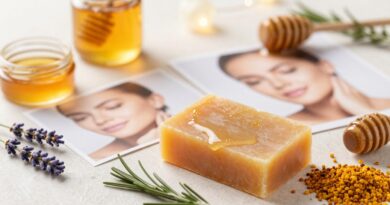
soap for oily skin and pimples
soap for oily skin and pimples
Dealing with oily skin needs a careful daily plan. Many find it hard to pick the right cleanser. It must control oil without causing redness.

Good cleaning is more than just dirt removal. It’s about picking ingredients that control oil and keep skin moist. Consistency is key for a clear, bright look all day.
Knowing what you need helps you find the right beauty products. Quality formulas can stop pimples before they happen. This guide shows how the right cleaning routine can make your face shine, boosting your confidence.
Understanding the Physiology of Oily and Acne-Prone Skin
To tackle oily and acne-prone skin, we must first understand it. The skin’s natural balance can be upset by many things. This makes it hard to manage with just any skincare.
Oily skin makes too much sebum, which clogs pores. This is perfect for acne-causing bacteria. Sebum production is a key factor in oily skin and acne.
The Role of Sebum Production
Sebum is an oily substance from the sebaceous glands. It moisturizes and protects the skin. But too much can cause oily skin and increase acne risk. Knowing what affects sebum production is key to managing oily skin.
Common Triggers for Breakouts
Many things can cause breakouts. Hormonal changes, stress, and pollution are a few. Knowing and managing these can help fight acne.
Also, the wrong skincare can make things worse. Harsh products can take away natural oils. This makes the skin produce more sebum.
Why Standard Soaps Often Fail
Standard soaps don’t meet the needs of oily and acne-prone skin. They can be too harsh or too mild. This doesn’t help control sebum or acne bacteria.
A soap made for dermatological conditions like acne and oily skin works better. It has ingredients that control sebum, reduce inflammation, and fight acne bacteria.
Knowing the causes of oily and acne-prone skin and using the right products can greatly improve it. This can also reduce common skin issues.
Key Ingredients to Look for in Therapeutic Soaps
For those with oily skin and acne, knowing the key ingredients in soaps is key. These ingredients are the heart of good skincare. They offer skincare benefits that can change your skin’s health and look.
The right mix of ingredients can control oil, reduce acne, and stop future breakouts. When picking a soap, look for ingredients that tackle oily skin and pimples at their source.
Salicylic Acid for Pore Clearing
Salicylic acid is a beta-hydroxy acid that goes deep into pores. It clears out dead skin cells and other stuff that clogs pores. It’s great for its exfoliating effects, which make blackheads and whiteheads less visible.
Salicylic acid breaks down the ‘glue’ that holds dead skin cells together. This lets for better removal of these cells and unclogs pores. It makes the skin look better and stay healthier by stopping acne.
Benzoyl Peroxide for Bacterial Control
Benzoyl peroxide is key in fighting acne. It kills the bacteria that cause acne (Propionibacterium acnes), reduces inflammation, and stops future breakouts. It comes in different strengths and works well on mild to moderate acne.
By controlling bacteria, benzoyl peroxide makes acne less severe. This improves the skin’s look and lowers scarring risk. It also reduces acne’s redness and swelling.
Natural Alternatives like Tea Tree Oil and Charcoal
For those who like natural skincare or have sensitive skin, tea tree oil and charcoal are good choices. Tea tree oil fights bacteria that cause acne. Charcoal cleanses the skin by pulling out impurities.
These natural ingredients improve the skin’s look and health. They’re gentle on oily skin and acne, making them good for many skin types.
Skin Problems and Benefits of Specialized Cleansing
Good skin care starts with knowing the benefits of special cleansers. These products are made to fix specific skin issues like acne, dryness, and sensitivity.
Addressing Dermatological Conditions Through Daily Hygiene
Daily care is key for skin health. The right cleanser can control acne, lessen inflammation, and stop more breakouts. For example, cleansers with salicylic acid or benzoyl peroxide work well on acne by clearing pores and killing bacteria.
Good daily care also helps with eczema and psoriasis. It keeps the skin’s natural barrier strong and cuts down on irritation.
How Proper Cleansing Improves Skin Health
Cleansing right is vital for healthy skin. It gets rid of dirt, oil, and makeup that can block pores and cause problems. Cleansing also keeps the skin’s pH balance, which is key for its health.
A good cleaning routine can make skin texture better, shrink pores, and make skin look better overall.
Balancing Moisture Without Stripping Natural Oils
One big challenge in skin care is keeping moisture without losing natural oils. Using a cleanser made for your skin type helps find this balance.
Moisturizing cleansers or those with glycerin keep moisture while cleaning. It’s also important not to clean too much, as it can dry out the skin and cause irritation.
Evaluating Common Skin Issues and Treatment Approaches
Effective skin conditions management starts with knowing what causes common skin problems. Acne is a big one, and it can come from many things. So, we need a careful plan to fix it.
Dermatologists say it’s key to know why acne happens. This helps pick the best way to treat it. It’s all about understanding the different kinds of acne.
Distinguishing Between Hormonal and Environmental Acne
Hormonal acne causes big, painful bumps near the chin and jaw. It’s linked to changes in hormones. On the other hand, environmental acne is caused by things like pollution and stress.
Knowing what kind of acne you have is the first step to treating it. For hormonal acne, we might need to balance hormones. For environmental acne, we can change our lifestyle and skincare.

The Impact of pH-Balanced Formulations
The skin’s natural pH is a bit acidic, between 4.5 and 5.5. Using pH-balanced products is key. They keep the skin’s barrier strong, avoiding irritation.
“Using pH-balanced cleansers can really help the skin,” say skincare experts. “It keeps the skin’s pH in balance.”
Managing Chronic Skin Conditions
Dealing with chronic skin issues needs a big plan. This includes good skincare, lifestyle changes, and sometimes, doctor visits. It’s important to be patient and keep going, as it’s a long journey.
With the right skincare, like products with salicylic acid or benzoyl peroxide, and a healthy lifestyle, you can manage your skin better.
The Science of Beauty Advantages in Medicated Soaps
Learning about medicated soaps can make your skincare better. These soaps clean your skin and offer health benefits.
They help with acne, inflammation, and dark spots. Adding them to your daily routine can greatly improve your skin.
Exfoliation and Cell Turnover
Medicated soaps help with exfoliation and cell turnover. Salicylic acid removes dead skin, unclogs pores, and makes skin look smoother.
This makes your skin look better and helps other skincare products work better. Regular use can make your skin tone even and reduce wrinkles.
Reducing Inflammation and Redness
These soaps have ingredients that reduce inflammation and redness. They help prevent skin damage and keep your skin healthy.
Tea tree oil and charcoal are good for sensitive skin. They soothe without harsh side effects.
Long-Term Effects on Skin Texture
Using medicated soaps regularly can improve your skin’s texture. It makes your skin more elastic and firm.
With a consistent routine, your skin becomes healthier and more balanced. This leads to a brighter, younger look, showing the beauty of medicated soaps.
Selecting the Right Soap for Your Specific Skin Type
Choosing the right soap is key to managing skin problems. There are many options, so knowing what your skin needs is important.
First, figure out how sensitive your skin is. Some soaps can be too harsh. This can dry out your skin and cause irritation, especially if you have sensitive skin.
Identifying Your Sensitivity Level
See how your skin reacts to different products. If a soap makes your skin red, itchy, or burns, it’s too harsh. Look for soaps that say “hypoallergenic” or “fragrance-free.” These are usually gentler.
Reading Labels for Comedogenic Ingredients
It’s also important to read the labels to avoid ingredients that clog pores. Choose products that say “non-comedogenic” or “oil-free.” They are less likely to cause acne. Ingredients like salicylic acid and benzoyl peroxide are good for acne-prone skin. They help clear pores and fight bacteria.
Consulting with Dermatologists for Severe Cases
If you have severe acne or skin problems, see a dermatologist. They can give you advice based on your skin. They might also prescribe special soaps or treatments that you can’t buy over-the-counter.
By following these steps, you can pick a soap that’s right for you. It will help with your skin type and any skin problems you have.
Best Practices for Treating Skin Problems with Soap
Choosing the right soap is just the start. A good skincare routine is key for improving skin health and solving skin problems and benefits. It keeps the skin clean, balanced, and safe.
Establishing a Consistent Morning and Evening Routine
Skincare needs to be consistent. Washing your face with a good soap in the morning and evening keeps your skin clear. It stops dirt and oils from making skin problems worse.
In the morning, soap gets rid of sweat and oil from the night. In the evening, it cleans off dirt, pollution, and makeup. This lets your skin soak up other skincare products better.
The Importance of Proper Rinsing Techniques
It’s important to rinse well to get rid of soap. Use lukewarm water. Hot water takes away natural oils, and cold water doesn’t remove soap well.
Massage the soap on your skin gently and rinse well. This keeps your skin clean without irritation. It’s important for improving skin health and keeping it balanced.
Integrating Toners and Moisturizers Post-Wash
Using toners and moisturizers after soap can make your skin better. Toners fix the skin’s pH and get rid of extra dirt. Moisturizers keep your skin from getting dry and irritated.
Go for non-comedogenic toners and moisturizers to avoid clogged pores. This is especially important for oily skin and acne-prone areas.
By following these tips, you can get the most out of using soap for oily skin and pimples. It helps improving skin health and tackles many skin issues well.
Common Mistakes to Avoid When Managing Oily Skin
Managing oily skin can be tough. It’s hard to avoid mistakes that make dermatological conditions worse. Knowing what not to do in your skincare routine is key.
Finding the right balance is a big challenge. The wrong choices can lead to more oil, irritation, and breakouts.
Over-Cleansing and the Rebound Effect
Using too much harsh cleanser is a big mistake. It takes away the skin’s natural oils. This makes the skin produce more sebum to make up for it.
This creates a cycle that’s hard to break. It leads to more oil and breakouts. Choose a gentle, non-comedogenic cleanser instead. It cleans without taking away moisture.

Using Harsh Scrubs on Inflamed Pimples
Harsh scrubs on pimples can make things worse. They cause more inflammation and can lead to scars. Gentle exfoliation is better.
Try a chemical exfoliant with alpha-hydroxy acids (AHAs) or beta-hydroxy acids (BHAs). It helps control oil and reduces inflammation.
Ignoring the Need for Non-Comedogenic Hydration
Not hydrating oily skin is a big mistake. Oily skin still needs moisture. A non-comedogenic moisturizer keeps the skin healthy without clogging pores.
This is important for managing skin conditions. It helps prevent irritation and breakouts.
Avoiding these mistakes helps manage oily skin better. It reduces the risk of making dermatological conditions worse.
Lifestyle Factors That Influence Skin Health
It’s important to know how lifestyle affects our skin. Our skin shows our health and daily habits. It’s not just about what we see outside.
Diet plays a crucial role in skin health, especially in sebum production. Eating too much processed food and sugar can make our skin oily and cause acne.
Dietary Impacts on Sebum Production
Eating fruits, vegetables, and whole grains helps control sebum. Foods high in antioxidants, like berries and leafy greens, fight inflammation and make skin healthier.
A study in the Journal of Clinical and Aesthetic Dermatology found that omega-3 fatty acids improve skin. Foods like salmon and walnuts are good sources.
“A diet rich in omega-3 fatty acids, found in foods like salmon and walnuts, can help reduce inflammation and improve skin health.”
Journal of Clinical and Aesthetic Dermatology
Environmental Factors and Pollution Exposure
Pollution harms our skin. Pollution causes oxidative stress, damaging skin cells and causing early aging.
Using antioxidants in skincare and wearing protective clothes helps fight pollution’s effects.
The Connection Between Stress and Breakouts
Stress affects our skin. High stress levels can trigger hormonal changes that lead to more sebum and breakouts.
Doing stress-reducing activities like meditation, yoga, or deep breathing helps. It improves skin health.
By managing lifestyle factors, we can improve our skin health. This helps us enjoy the beauty of healthy, resilient skin.
Conclusion
Choosing the right soap is key for oily skin and pimples. It helps solve skin problems and improves health. Knowing how oily and acne-prone skin works is important.
Soaps with salicylic acid and benzoyl peroxide help a lot. They control breakouts and reduce swelling. Clean skin and a healthy lifestyle also help a lot.
Don’t make mistakes like over-cleansing or using harsh scrubs. Lifestyle factors like diet and stress also affect your skin. By following these tips, you can keep your skin healthy and balanced.
FAQ: Frequently Asked Questions
Why is it essential to use a specialized soap for oily skin and pimples instead of a standard body bar?
Standard soaps can upset the skin’s natural balance. They have a high alkaline pH. This can cause irritation and make the skin produce more oil.Specialized cleansers, like La Roche-Posay Effaclar Gel, are made to remove excess oil. They keep the skin’s barrier intact. This is key for treating skin problems without causing dehydration or increased sensitivity.
Which active ingredients provide the most significant skincare benefits for acne-prone skin?
Salicylic Acid is great for clearing pores. It goes deep into the follicles to dissolve debris. Benzoyl Peroxide, found in PanOxyl, fights bacteria well.Natural ingredients like tea tree oil and activated charcoal also help. They have antimicrobial properties and draw out impurities. These are important for improving skin health and managing common issues.
How does proper cleansing contribute to long-term skin conditions management?
Good skin care is more than just cleaning the surface. It’s about exfoliation and cell turnover. Medicated soaps reduce inflammation and redness, improving skin texture over time.Using a consistent routine with brands like CeraVe can reduce breakouts. It also helps achieve a more even skin tone. This shows the long-term benefits of using professional-grade hygiene.
Can a soap really help in treating skin problems without stripping natural oils?
Yes, if it’s pH-balanced. Modern therapeutic soaps target bad oils and bacteria. They leave the skin’s moisture barrier intact.Using a non-comedogenic cleanser treats skin problems. It removes bad oils while keeping the skin hydrated. This is one of the main beauty benefits of specialized skincare.
What are the most common skin issues caused by over-cleansing oily skin?
Over-washing can destroy the lipid barrier. This makes the skin vulnerable to pollutants and bacteria. It can worsen skin conditions, leading to increased redness and oil production.A professional approach cleanses no more than twice daily. Always follow up with a light, oil-free moisturizer. This improves skin health.
How do lifestyle and environmental factors influence the effectiveness of soaps for oily skin?
Lifestyle and environment play big roles. High humidity, pollution, and diet affect sebum production. Environmental factors like smog trap oil and dead skin cells.Using a deep-cleansing option like Neutrogena Oil-Free Acne Wash helps. It fights external triggers. This ensures better skin management and prevents lifestyle factors from undoing your progress.