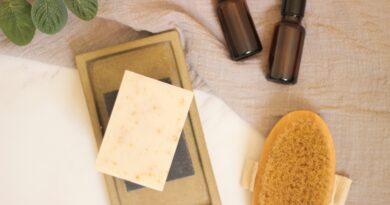
Summer Soap for Oily Skin: The Best Soaps for Oily Skin and Skincare Tips
Summer Soap for Oily Skin: The Best Soaps for Oily Skin and Skincare Tips
Summer can be tough on oily skin. The heat and humidity often lead to excess oil production, clogged pores, and breakouts. Finding the right soap for oily skin can make all the difference. This article explores the best soaps for oily skin in summer, focusing on natural ingredients and effective skincare tips to help you manage oiliness and achieve a healthy, balanced complexion.
Understanding Oily Skin
What Causes Oily Skin?
Oily skin is primarily caused by the overproduction of sebum, an oily substance secreted by the sebaceous glands. This overproduction can be influenced by genetics, hormonal changes, and environmental factors. Understanding these underlying causes can help in choosing the most effective soap for oily skin and skincare routine to control excess oil and prevent clogged pores.
Identifying Skin Types: Oily, Dry, and Combination
Different skin types require different approaches. Oily skin is characterized by a greasy feel, enlarged pores, and a tendency to develop acne. Dry skin feels tight and may flake, while combination skin exhibits both oily and dry areas. Identifying your skin type is crucial for selecting the right soap and tailoring your skincare regimen to maintain your skin’s natural balance.
Common Skin Issues Associated with Oily Skin
People with oily skin often experience issues such as acne, blackheads, and enlarged pores. The excess oil can trap dirt and dead skin cells, leading to clogged pores and breakouts. Effective skincare, including using the best soap for oily skin, helps to exfoliate, remove dead skin cells, and manage oil control to minimize these common problems.
Best Soap for Oily Skin in Summer
Why Soap is Good for Oily Skin
Using the right soap is good for oily skin because it helps cleanse the skin, removing excess oil, dirt, and impurities that can clog pores. Soaps formulated with natural ingredients can offer a gentle yet effective way to maintain a clean and balanced complexion. Choosing a suitable soap is an essential step in managing oily skin in summer.
Top Natural Soaps for Oily Skin
Here’s how to choose a natural soap for oily skin. Several ingredients are known for their beneficial properties, and soaps containing the following are excellent choices:
- Tea tree oil
- Neem
- Aloe vera
These natural ingredients possess antibacterial and anti-inflammatory properties, helping to soothe irritated skin and control oil production without stripping the skin’s natural moisture.
Benefits of Using Charcoal Soap and Tea Tree Oil
Here’s how charcoal soap and tea tree oil address the needs of oily skin, offering specific advantages:
- Activated charcoal soap helps draw out impurities and excess oil from the pores.
- Tea tree oil aids in combating acne-causing bacteria.
Together, these ingredients refresh and cleanse the skin, promoting a clearer and healthier complexion, especially beneficial for acne.
Choosing the Right Soap for Oily Skin
Soap Bars vs. Liquid Soaps: Which is Better?
When selecting the best soap for oily skin, consider whether to opt for soap bars or liquid soaps. Soap bars often contain fewer preservatives and can be more environmentally friendly. However, some liquid soaps are formulated with gentler surfactants, making them suitable for sensitive skin. Both types can effectively cleanse and remove excess oil, so the choice often comes down to personal preference and how your skin feels after use.
Key Ingredients to Look for in Soaps for Oily Skin
To combat oily skin effectively, look for soaps containing key natural ingredients. Some examples are:
- Tea tree oil, renowned for its antibacterial benefits.
- Aloe vera, which soothes and hydrates without adding oil.
Other ingredients, such as activated charcoal, neem and lemongrass, can also help manage oily skin.
How Essential Oils Can Help Control Excess Oil
Essential oils can play a crucial role in managing oily skin due to their unique therapeutic properties. Tea tree oil is fantastic for its acne-fighting abilities, while lemongrass essential oil helps regulate sebum production. Incorporating a cleanser with these essential oils can help balance your skin’s natural oil production, prevent breakouts, and promote a clearer complexion for people with oily skin. These natural ingredients in soaps for oily skin are a great addition to skincare.
Skincare Routine for Oily Skin
Daily Cleansing: Best Practices
Daily cleansing is essential for managing oily skin in summer. Use the right soap for oily skin to remove excess oil, dirt, and impurities. Gently massage the cleanser onto damp skin, focusing on areas prone to oiliness, like the T-zone. Rinse thoroughly with lukewarm water and pat dry with a clean towel. Avoid harsh scrubbing, which can irritate your skin and cause it to produce even more sebum.
Exfoliation Tips for Oily Skin
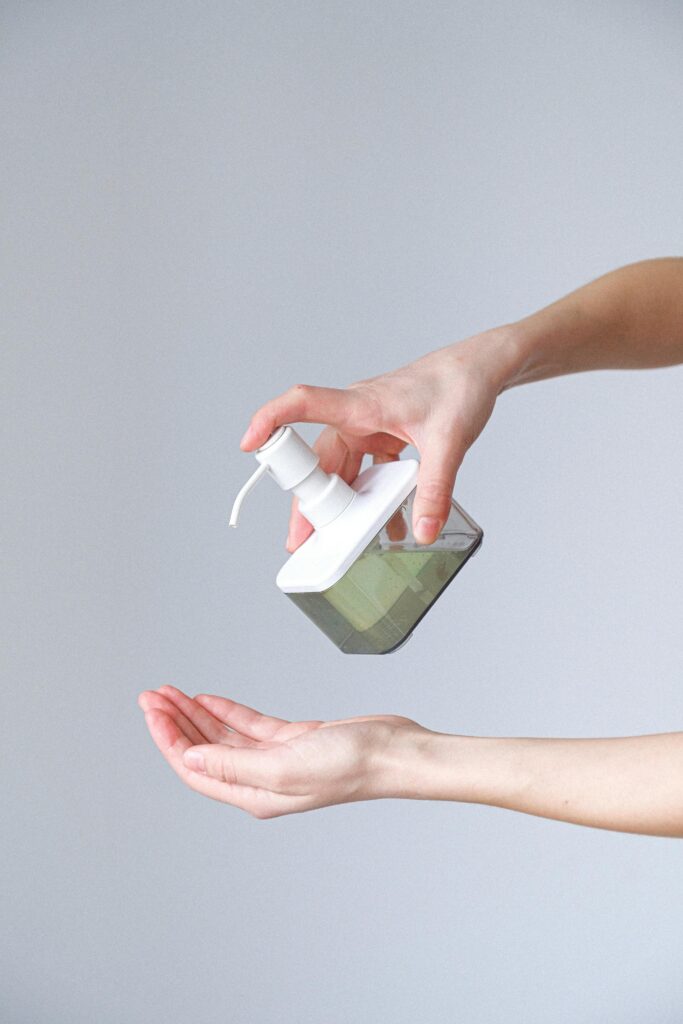
Exfoliation is a vital step in any skincare routine for oily skin. It helps remove dead skin cells that can clog pores and lead to breakouts. Exfoliating one to two times a week can improve how your skin feels and enhance the effectiveness of your soap for oily skin. Be gentle and avoid over-exfoliating, as this can strip your skin’s natural moisture and cause irritation.
Moisturizing without Clogging Pores
Even oily skin needs moisture; however, it’s crucial to moisturize without clogging pores. Opt for lightweight, non-comedogenic moisturizers that hydrate without adding excess oil. Look for products labeled “oil-free” or “for oily skin” to ensure they won’t contribute to clogged pores. Moisturizing helps maintain your skin’s natural balance and prevents it from overproducing oil to compensate for dryness, which makes it good for oily skin.
Addressing Specific Skin Issues
Dealing with Acne-Prone Skin
For individuals with acne-prone skin, selecting the right soap for oily skin becomes even more critical. Look for soaps that contain natural ingredients known for their antibacterial and anti-inflammatory properties. Tea tree oil is an excellent choice, as it helps combat acne-causing bacteria without irritating the skin. A gentle skincare routine with a suitable cleanser can help manage breakouts and promote clearer skin. Regular exfoliation is good for oily skin and also helps remove dead skin cells that can clog pores and contribute to acne.
Managing Breakouts and Pimples
Managing breakouts and pimples starts with effective cleansing using a cleanser specifically designed for oily skin. The best soap for oily skin will help remove excess oil and impurities that lead to clogged pores. Incorporate a face wash containing natural ingredients like neem and tea tree oil to soothe inflammation and fight bacteria. Avoid harsh scrubbing, which can aggravate the skin; instead, gently cleanse to maintain your skin’s natural balance and minimize breakouts. Regular use of soap can improve how your skin feels and prevent future issues.
Hydrating and Refreshing Your Skin in Summer
Even with oily skin, hydration is essential, especially in summer. Choose a lightweight, oil-free moisturizer to hydrate without adding extra grease or causing clogged pores. Ingredients like aloe vera help soothe and refresh the skin, providing moisture without contributing to oiliness. A refreshing natural soap for oily skin can also play a part, leaving your skin feeling clean and revitalized. Keep your skin feeling smooth by removing dead skin cells and maintaining proper oil control with a great face wash or body wash.
conclusion
Finding the right soap for oily skin in summer involves understanding your skin type, selecting products with natural ingredients, and maintaining a consistent skincare routine. Whether you opt for a soap, charcoal soap, or a cleanser with tea tree oil, focus on gentle yet effective cleansing to remove excess oil and prevent clogged pores. Remember to exfoliate and moisturize properly to keep your skin feeling smooth and healthy. With the right approach, people with oily skin can enjoy a clear and balanced complexion, even in the heat of summer. Incorporating essential oils into your daily routine can also provide additional benefits for managing oiliness and breakouts.
FAQ: Frequently Asked Questions
What is the best soap for oily skin during oily skin in summer?
The best soap for oily skin in hot months is one that balances effective oil control without stripping the skin of its necessary moisture so it can maintain the skin’s natural protective barrier. Look for a soap bar or bar soap labeled as good for oily skin and formulated with gentle surfactants and ingredients that absorb excess sebum such as activated charcoal soap or charcoal soap. Natural astringents and seboregulating ingredients like tea tree, neem, lemongrass, and aloe vera are useful. If you prefer a liquid face wash or body wash, the same principles apply. Choose a product that offers refreshment and reduces shine while still helping the skin hydrate and feel comfortable rather than taut or irritated.
How does a natural soap for oily skin help compared to regular soaps?
Natural soap formulations often use plant-based oils, clays, botanical extracts, and essential oils instead of harsh chemical detergents. For oily skin, a carefully formulated natural soap for oily skin can help absorb excess oil, gently exfoliate to remove dead skin cells, unclog pores and reduce breakout risk without over-drying. Ingredients like charcoal soap, neem, tea tree, and aloe vera support oil control and have antimicrobial benefits for acne-prone skin. Because they tend to be milder, these soaps can be a better fit for people with both oily skin and sensitive skin who want the benefits of a cleanser that also leaves the skin feeling smooth.
Can a soap is good for oily skin also help with clogged pores and acne-prone skin?
Yes. A well-formulated soap for oily skin can help manage clogged pores and support acne-prone skin care by removing excess oil, surface debris, and residual sunscreen or sweat that contribute to pore blockages. Ingredients such as tea tree, neem, activated charcoal soap, or charcoal soap draw out impurities and have antimicrobial properties. Regular, gentle use—paired with non-comedogenic moisturizers—helps reduce the frequency of breakout events while maintaining the skin’s ability to moisturize and stay healthy.
Should people with greasy skin switch to a drying soap or one that helps moisturize?
Avoid aggressively drying soaps. While a drying product can temporarily remove surface oiliness, it often triggers rebound oil production from the skin’s sebaceous glands, making the problem worse. Choose a soap or cleanser that balances oil control with hydrating elements so the skin can maintain normal sebum regulation. Ingredients like aloe vera and light humectants help the skin stay comfortable. Using a gentle exfoliating soap to remove dead skin cells and a non-comedogenic moisturizer afterward is a better long-term strategy for managing oily skin.
Is activated charcoal soap or charcoal soap worth trying for summer oiliness?
Activated charcoal soap and other forms of charcoal soap can be effective in summer because they absorb surface impurities and excess oil, helping the skin feel refreshed and less shiny. These soaps for oily skin are particularly useful if you experience clogged pores or frequent surface buildup from sweat, sunscreen, and pollution. However, use them in moderation—overuse can dry or irritate, especially for those with concurrent sensitive skin. Pairing charcoal-based cleansing with gentle hydration helps maintain the skin’s balance.
How often should one use a soap bar or bar soap for oily skin in summer?
Frequency depends on your activity level and skin response. For most people with oily skin, cleansing twice daily—morning and evening—with a suitable soap bar or gentle face wash is adequate. After intense sweating or heavy outdoor activity, an additional gentle cleanse can help remove salt and oil that might clog pores. Avoid excessive scrubbing or washing more than three times daily, as over-cleansing can strip protective oils and increase sebum production. Always follow with a lightweight, non-comedogenic hydrating product to help the skin hydrate and maintain a healthy skin feel.
Which natural ingredients should I look for in the best soap for oily skin?
Key natural ingredients for balancing oily skin include tea tree (antimicrobial and calming), neem (sebum-regulating and anti-inflammatory), aloe vera (soothing and hydrating), lemongrass (astringent and refreshing), and activated charcoal soap or clays (absorbent and detoxifying). Light botanical oils and glycerin give gentle moisturize without clogging pores. These components make a natural soap for oily skin or the best natural soap for oily choice that reduces skin issues like shine and clogged pores while preserving comfort.
Can using the wrong soap worsen oiliness or create skin issues?
Yes. Harsh detergents, high pH syndets, or overly stripping soaps can disrupt the skin’s barrier, causing irritation and triggering increased sebum production as the skin attempts to compensate—resulting in worse oiliness. Fragrances and certain heavy oils can also irritate sensitive skin or contribute to clogged pores. Choosing the right soap for oily skin—one that targets oil control while supporting barrier repair—reduces the risk of aggravating acne-prone skin or creating new skin issues.
What is the difference between a face wash and a soap for oily skin, and which should I choose?
Traditional soaps (including bar soap) are saponified oils that cleanse effectively but can have higher pH levels. Modern face wash formulas are often syndet-based and can be milder and more pH-balanced for facial skin. For oily skin, both can work if formulated with appropriate ingredients—look for products marketed as good for oily skin or specifically as the best soap for oily skin. A gentle face wash with targeted actives (like tea tree, charcoal soap actives, or light exfoliants) may be less likely to cause irritation, while a high-quality soap bar with natural ingredients can offer effective cleansing and a nice skin feeling smooth finish. Personal preference and skin response should guide your choice.
How should I build a summer routine around a soap for oily skin to keep my skin feel fresh?
Start with a gentle cleanse using a suitable soap for oily skin or face wash twice daily and after heavy sweating. Use a mild physical or chemical exfoliant 1–3 times weekly to remove dead skin cells and help prevent clogged pores. Apply a lightweight, non-comedogenic moisturizer to hydrate without adding shine; consider products labeled for acne-prone skin or good for oily skin. For daytime, use an oil-free, non-comedogenic sunscreen. Incorporate spot treatments with tea tree or niacinamide for occasional breakouts. If you prefer a natural soap, select one with balancing botanicals like neem, lemongrass, and aloe vera, and avoid harsh over-washing to maintain a comfortable skin feel and reduce rebound sebum production.