10 Secret Things You Didn’t Know About SOAP BUSINESS AND MARKETING
10 Secret Things You Didn’t Know About SOAP BUSINESS AND MARKETING
The soap industry is huge, with many companies vying for attention. Effective marketing strategies are key to winning in this race.
Companies like Dove and L’Occitane have made a mark with their unique brands. But what secrets lie behind their success?
This article will share the top 10 secrets about soap business and marketing. You’ll learn about the industry’s best strategies.
Key Takeaways
- Knowing your audience is vital for soap business success.
- Good branding can make your soap stand out in a crowded market.
- Marketing for soap businesses needs to be unique to their needs.
- Using social media can help soap companies reach more people.
- Working with influencers can be a strong marketing move for soap businesses.
1. The Global Soap Industry Is Worth Over $200 Billion and Growing
The global soap industry is huge, worth over $200 billion. It keeps growing fast. This shows how much people all over the world want soap.
Soap is used every day for cleaning and personal care. As more people are born, they need more soap. This makes the soap business grow and gives companies chances to sell more.
Understanding the Massive Market Size and Projections
The soap market is expected to keep growing. People want more personal care items and know how important cleanliness is. Research says the industry will keep growing, thanks to new soap types, better packaging, and soap industry marketing.
Now, people want soap that fits their skin and values. Companies are making more soap for different needs. This move towards personal and green products will help the industry grow more.
How Companies Like Unilever and Procter & Gamble Dominate
Big companies like Unilever and Procter & Gamble lead the soap market. They have lots of money, well-known brands, and wide reach. They use smart soap business strategies, like big marketing, partnerships, and new products to stay on top.
They also change their products to meet new trends. This keeps their soap popular. So, these big companies shape the soap industry, setting trends for others.
2. Mastering Soap Business and Marketing Requires Sensory Storytelling
To stand out in the crowded soap market, businesses use sensory storytelling. This method engages multiple senses to tell a story that customers remember. It makes the brand experience unforgettable.
Scent psychology is key in marketing. Scent psychology plays a significant role in consumer purchasing decisions. It affects mood, memory, and preference. Certain scents can make us feel certain ways and leave a lasting impression.
The Science of Scent Psychology in Consumer Decisions
The brain’s limbic system links scent to emotions. This neurological link means that scents can directly impact consumer preferences and loyalty. Soap makers can use this by making products with unique, appealing smells.
A lavender-scented soap might make you feel calm. It attracts people who want a relaxing bath. By knowing how scents affect us, soap businesses can make products that speak to their audience.
Why Lush and Method Win with Visual and Tactile Marketing
Visual and tactile marketing are also key in the soap industry. Companies like Lush and Method focus on looks and feel. The use of vibrant colors, creative packaging, and in-store displays grabs attention and improves the shopping experience.
Lush is famous for its visually striking and fragrant products. They’re displayed in open spaces for customers to touch and smell. This hands-on experience strengthens the bond between customer and brand.
Method combines modern design with eco-friendly messages. This appeals to those who like good looks and care for the planet. By using sensory storytelling, these brands stand out and win loyal customers.
Small artisan soap makers are making more money than big brands. They make unique, handcrafted soaps. These soaps appeal to people who want something special, not just any soap.
They set their prices high because of the quality and special scents. This lets them charge more for their soaps.
Pricing Strategies That Make Handcrafted Soaps Profitable
Small soap makers use smart pricing to make more money. They charge more because their soaps are high quality and unique. This makes their brand seem special and valuable.
They also make special products that are only available for a short time. This makes people want to buy them fast. The story behind each soap also makes it seem worth more.
Why Boutique Brands Charge 5-10 Times More Per Bar
Boutique soap brands charge a lot because of the quality. They use high-quality, natural ingredients. People are willing to pay more for products that are good for their skin and the planet.
The unique fragrances and attractive packaging make these soaps stand out. The fact that they are made by hand in small batches makes them even more special.
The soap making business is growing fast. Small artisan soap makers are leading the way. They use smart business strategies and keep up with trends to make a good profit.
4. Social Media Platforms Have Become the Primary Soap Marketing Techniques
In today’s world, social media is key for soap marketing techniques. It changes how brands talk to people. Sites like Instagram and TikTok are great for showing off soap products because they love pictures and videos.
Driving Direct Soap Sales through Social Media
Instagram and TikTok are now big for selling soap right away. They have cool features like shoppable posts and reels. This lets businesses tag products so customers can buy them right from their feeds.
For example, a soap brand can make a fun ad on Instagram. They show their soaps in a real-life setting and tag them for easy shopping.

Viral Marketing Success Stories
Brands like Native and Dr. Squatch have gone viral on social media. Native made deodorants and now soaps that people love on Instagram. Dr. Squatch uses TikTok for funny and fun content that gets lots of views and likes.
These stories show how social media can help successful soap business marketing. By making fun content and picking the right platforms, soap businesses can sell more. It’s all about knowing who you’re talking to and making your marketing fit them.
As social media grows, soap businesses need to keep up. They should use data to know what people want, make fun content, and talk to customers on these sites.
5. Sustainability Is No Longer Optional in Modern Soap Business Strategies
Sustainability is now a must in the soap business. This is because people want eco-friendly products. The world faces big environmental problems, and the soap industry must act.
This change is not just about being green. It’s also about keeping up with the market. Consumers are ready to pay more for products that match their values.
The role of sustainability in soap business strategies is huge. Companies are working to lessen their environmental harm. They’re doing this through eco-friendly packaging and more.
These green packaging ideas are good for the planet. They also help a brand stand out from others.
Eco-Friendly Packaging Innovations Leading the Industry
The soap industry is seeing a lot of green packaging ideas. Companies are looking for plastic-free options. They’re using biodegradable, recyclable, and refillable materials.
Some brands are using plant-based packaging that can be composted. This cuts down on waste in landfills and oceans. Others are using less material in their designs.
Key trends in eco-friendly packaging include:
- Biodegradable packaging materials
- Recyclable and refillable packaging options
- Minimalist packaging designs
- Plant-based packaging materials
How Dr. Bronner's Built an Empire on Ethical Marketing
Dr. Bronner’s is a great example of a brand that focuses on sustainability and ethics. They use organic and fair-trade ingredients. Their packaging is made from recycled materials.
Dr. Bronner’s shows that people support brands that care about the planet and fair trade. By putting these values first, they’ve built a strong customer base.
In short, sustainability is key for soap businesses today. By using green packaging and ethical marketing, companies can help the environment. They also win the trust and loyalty of consumers who care about sustainability.
6. Neuromarketing and Color Psychology Drive Soap Branding and Marketing Decisions
The art of soap branding has turned into a science. Neuromarketing and color psychology help make choices. They make packaging stand out and connect with people.
The Hidden Science Behind Packaging Colors and Shapes
Colors and shapes do more than look good. They make us feel and think certain ways. Neuromarketing research shows colors can boost brand recognition by up to 80%. Green is popular for soap because it feels natural.
Shapes matter too. Unique shapes grab attention. Familiar shapes feel safe. Curved shapes feel friendly, while sharp shapes look fancy.
How Mrs. Meyer's Uses Design to Trigger Emotional Buying
Mrs. Meyer’s uses colors and design to connect with people. Their bright colors and flowers make us feel happy and clean. Their bottles look good and feel nice too.
By using neuromarketing and color psychology, brands like Mrs. Meyer’s succeed. They sell more and keep customers coming back. This makes their products stand out and leaves a strong impression.
In the soap world, using neuromarketing and color psychology is key. It helps brands connect with their audience. This leads to more people knowing and loving the brand.
7. Subscription Box Models Are Fueling Explosive Soap Business Growth
Subscription boxes have changed the soap business a lot. They help businesses grow and keep customers coming back. This way, customers get their favorite soaps regularly.
These boxes make customers feel special. They offer soaps that fit what each person likes. This makes customers happy and keeps them coming back.
Why Direct-to-Consumer Brands Are Winning Market Share
Direct-to-consumer brands use subscription boxes to stand out. They sell directly to customers, which means better quality and prices. This is how they beat the competition.
By talking directly to customers, these brands build strong bonds. This makes customers loyal and more likely to buy again.
Customer Lifetime Value Through Soap Subscriptions
Subscription boxes help businesses keep customers for a long time. This means more money over time. It’s a smart way to grow.
These boxes also give businesses useful data. They can use this data to make their marketing better. This helps them grow even more in the soap business.
Key advantages of soap subscription services include:
- Increased customer loyalty
- Predictable revenue streams
- Valuable customer insights
- Improved customer satisfaction
By using subscription boxes, soap businesses can stay ahead. They can grow in a fast-changing market.
8. Private Label Manufacturing Is the Soap Industry's Best-Kept Secret
The soap industry’s secret is private label manufacturing. It lets retailers make high-quality soap under their names. This is a hit with big retailers wanting to stand out.
Private label lets companies make soap that fits their brand. This boosts their image and helps them compete with big brands.
How Major Retailers Create Profitable In-House Soap Brands
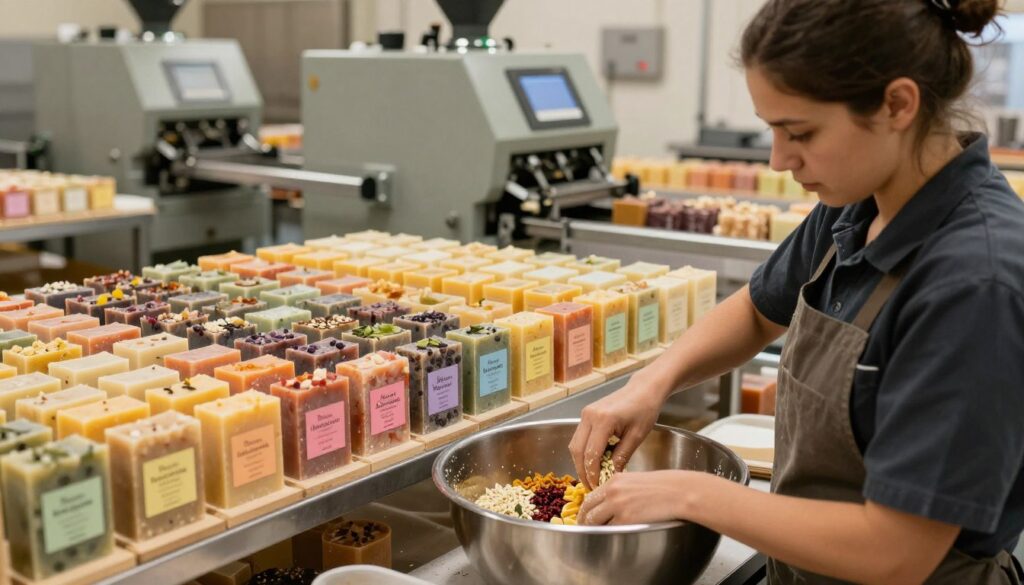
Big retailers use private label to make their own soap brands. They work with skilled makers to make lots of soap. This way, they can make sure their soap is just right.
They can also make their soap special. This includes using eco-friendly packaging or unique scents. This makes their soap stand out and attract more customers.
White Label Partnerships That Boost Soap Making Business Revenue
White label partnerships are key in private label manufacturing. They let soap makers offer more products without buying new stuff. This helps them grow without big costs.
These partnerships let soap makers focus on marketing and branding. The experts handle making the soap. This can make more money and make customers happier.
By using private label and white label, soap makers can keep up with the market. As people want more custom and green soap, these strategies help a lot.
9. The Hospitality Industry Purchases More Soap Than You'd Ever Imagine
The hospitality industry buys a lot of soap. This is because hotels and resorts need to stay clean and hygienic. They buy soap in big amounts to keep their places clean.
Bulk Contracts and Hotel Brand Partnerships Worth Millions
The hospitality industry spends millions on soap. Hotels and resorts buy soap in big amounts. This is good for soap makers because they get a lot of money.
Hotel brand partnerships are also important. Hotels work with soap brands to give their guests special soap. This is good for soap companies because it helps them sell more and get known better.
How Small Soap Companies Break Into the Hospitality Market
It’s hard for small soap companies to get into the hospitality market. But, they can try a few things. They can make custom soap products for hotels. This means making soap that fits the hotel’s style.
They can also focus on niche markets. This means targeting special hotels, like small or green ones. This way, they can stand out and be noticed more.
Small soap companies can also offer flexible production runs. This means they can make soap quickly when hotels need it. This is great for hotels that change their needs often.
10. FDA Regulations Secretly Control Every Soap Marketing Claim You See
Every soap marketing claim has a secret rule behind it. The FDA makes sure these claims are true and not false. This helps keep what soap companies say honest.
The Legal Difference Between Soap and Cosmetic Classifications
The FDA knows the difference between soap and cosmetics. Soap is for cleaning, while cosmetics make you look good. Knowing this helps figure out the rules for each.
Soap and cosmetics have different rules. If a soap claims to moisturize, it might be seen as a cosmetic. This means it has to follow stricter rules.
What Claims Soap Companies Can Legally Make in Advertising
Soap companies must follow FDA rules for their ads. They need science to back up their claims. For example, if they say their soap moisturizes, they must have proof.
The FDA also watches what words soap companies use. Words like “natural” or “organic” mean something specific. Companies must use these words correctly to not trick people.
Soap businesses must know and follow FDA rules to keep trust. By understanding the difference between soap and cosmetics, and proving their claims, they can stay on the right side of the law.
Conclusion
The soap business and marketing world is very complex. It has many factors that affect its growth and trends. The global soap industry is worth over $200 billion and keeps growing.
People want sustainable and eco-friendly products more and more. This drives the industry forward.
Good marketing in the soap industry uses stories that touch our senses. It also uses scents and makes packaging look great. Brands like Lush and Method have done this well.
They have gained a lot of market share because of it.
Now, social media like Instagram and TikTok are key for selling soap. Companies are focusing on being green. Dr. Bronner’s is a great example of this.
As the soap business grows, knowing about marketing trends and rules is key. Businesses need to be creative and keep up with new things. This way, they can do well in a tough market.