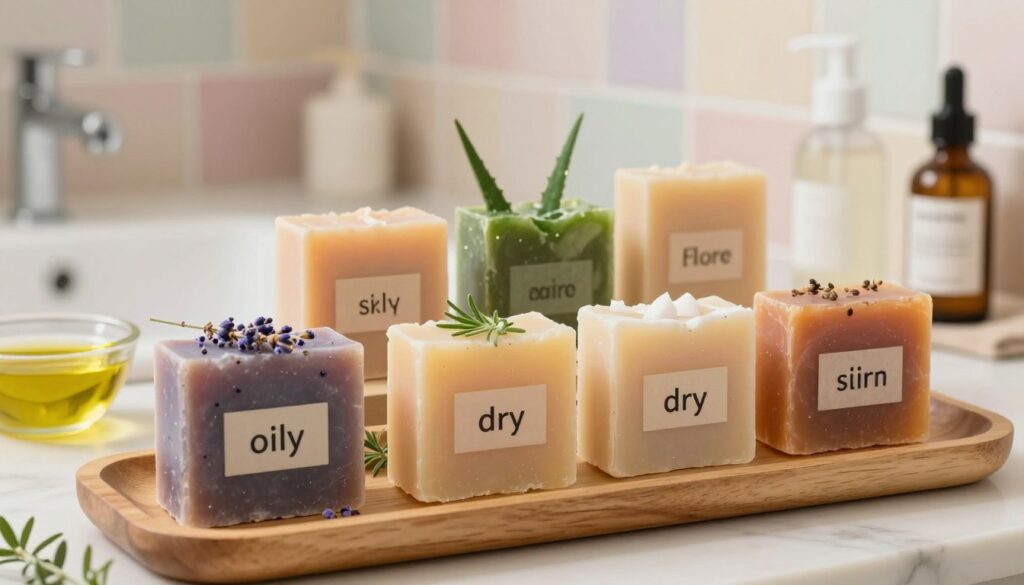
How to Choose the Right Soap for Your Skin Type
How to Choose the Right Soap for Your Skin Type
Finding The Right Soap for Your Skin Type is key to a healthy, shiny face every day. Many face dullness or irritation because of harsh cleansers. These cleansers take away the skin’s natural moisture.

This article will help you find the right products for your skin. We’ll explore the science of skin health. Understanding your unique needs helps you see real changes in your appearance.
Are you still looking for the ideal soap for my skin? Learning how ingredients affect your skin is crucial. This way, you can create a routine that makes you feel fresh and radiant.
Understanding Your Skin Barrier and Needs
Choosing the right soap for your skin type starts with knowing how your skin works. Your skin barrier protects you from bad stuff outside. It keeps your skin moist and strong against daily stress.
The Role of the Acid Mantle
At the top of your skin is a thin, slightly acidic layer called the acid mantle. It’s your first line of defense against bad stuff. It keeps moisture in and keeps out bad bacteria.
If you remove this layer, your skin gets dry and inflamed. Keeping it healthy is key for a clear, comfy face. It’s the base of any good skincare routine.
Why pH Balance Matters in Cleansing
Keeping the right pH balance is crucial. Soaps can be too alkaline, which messes with your skin’s chemistry. This can make your face feel tight, dry, or too sensitive.
Looking for the right soap for your skin type means finding formulas that match your skin’s pH. Choosing products that support your skin’s chemistry helps. Consistency is key for a healthy skin barrier.
Identifying Your Unique Skin Type
Before picking the right cleanser, listen to your skin’s signals. Watch how your face feels all day. This is the best soap for skin type trick.
By knowing your skin type, you avoid using the wrong products. This saves you from frustration.
Recognizing Oily Skin Characteristics
Oily skin is easy to spot. It shines a lot on your forehead, nose, and chin. You might also see big pores and more breakouts.
Signs of Dry and Dehydrated Skin
Do your cheeks feel tight or itchy? You might have dry skin. It looks dull and can have fine lines or flakes, especially in cold weather.
Finding the ideal soap for my skin is key. You need something that adds moisture, not takes it away.
Managing Combination Skin Zones
Combination skin has oily and dry areas. The T-zone (forehead, nose, chin) is oily, while cheeks are dry or normal. You need a gentle cleanser that works for both.
Identifying Sensitive and Reactive Skin
Sensitive skin reacts fast to new things. It might get red, burn, or sting from harsh soaps. Finding the right ideal soap for my skin is crucial to keep it calm.
The Right Soap for Your Skin Type: Key Ingredients to Look For
Choosing the best soap for your skin type means looking at what’s inside. Each skin type needs special ingredients to stay healthy. Finding the right ones helps you reach your skincare goals.
Best Ingredients for Oily and Acne-Prone Skin
For oily skin, find soaps that control oil but keep moisture. Salicylic acid is great for cleaning pores and stopping acne. Natural clays also pull out dirt, making them a top pick for oily skin.
Hydrating Components for Dry Skin
Dry skin needs gentle care that keeps moisture in. Look for glycerin or hyaluronic acid to hold water in your skin. These keep your skin soft and not tight or flaky.
Soothing Agents for Sensitive Skin
Sensitive skin can’t handle harsh chemicals. So, choose soaps with calming agents like aloe vera or chamomile. These ingredients help reduce redness and make your skin feel calm and safe.
Ingredients to Avoid for Sensitive or Problematic Skin
Choosing a personalized skin care soap means watching out for bad stuff. Many products focus on lots of bubbles, not your skin’s health. Knowing what to avoid helps keep your skin calm and clear.
The Impact of Harsh Sulfates and Detergents
Sulfates, like sodium lauryl sulfate, make lots of foam. But they’re too harsh for sensitive skin. They take away natural oils, making your skin dry and itchy.
Why Synthetic Fragrances Can Cause Irritation
Synthetic fragrances often cause skin problems. Even if a product smells good, these chemicals can make your skin itch or burn. Look for soaps without fragrances or with natural scents.
Identifying Hidden Preservatives to Skip
Preservatives keep products from going bad, but some are bad for your skin. Ingredients like parabens or formaldehyde-releasing agents can be trouble. Always check the list for these to keep your top soap for skin type gentle. Making smart choices is key to a good effective personalized skin care soap routine.
Selecting Soap Based on Texture and Formulation
Finding the right cleanser is all about what you like and what your skin needs. The feel of your soap matters a lot. It affects how your skin feels every day.
Benefits of Bar Soaps vs. Liquid Washes
Bar soaps have changed a lot. They now use good oils and butters. They are also eco-friendly and use less plastic.
Liquid soaps are easy to use. They have more water, which means they can have special ingredients. If you like things easy, a liquid soap might be best. But if you want a deep clean, a bar soap is great.
When to Choose Cream-Based Cleansers
Cream-based cleansers are best for dry or tight skin. They add moisture and clean your skin gently. They are good for sensitive or older skin.
If your skin gets dry during the day, try a creamy soap. They feel luxurious and help your skin. They are especially good in cold weather.
The Advantages of Exfoliating Soaps
Exfoliating soaps have things like seeds or ash to remove dead skin. They make your skin look brighter and feel smoother. Use them a few times a week to avoid irritating your skin.
Think about if your skin needs exfoliating. If you have oily or clogged skin, exfoliating soaps can help. Always moisturize after using an exfoliating soap to keep your skin soft.
How to Perform a Patch Test Before Switching Soaps
Protecting your skin starts with a simple safety check. Before trying a new soap, do a patch test. This is especially important if you have sensitive skin.

Step-by-Step Guide to Testing New Products
First, put a small amount of soap on a clean spot on your inner arm or behind your ear. These spots are good because they are like your face in sensitivity. Wash with it for a bit, then rinse well.
Wait 24 hours to see how your skin reacts. Don’t use any other new products on that spot. This is important when finding the right soap for you.
Interpreting Your Skin’s Reaction
After waiting, check the spot for any bad signs. If your skin looks and feels normal, it’s good. But if you see redness, bumps, or itchiness, it’s not right.
When to Discontinue Use Immediately
If you feel burning, stinging, or swelling, rinse with cool water right away. These signs mean your skin can’t handle the soap. Stop using it right away to avoid more problems.
Doing a patch test helps you find the right soap. It keeps your skin safe and happy when you try something new.
Adapting Your Soap Choice for Seasonal Changes
Your skin changes with the seasons. Humidity and temperature changes mean your skin needs different care. Choosing soap for skin type means changing your soap to keep your skin healthy.
Adjusting Cleansers for Humid Summer Months
In summer, your skin sweats more and gets oily. Your usual soap might feel too heavy. Try a lighter, gel-based formula to clean without drying out your skin.
A light, foaming soap is best in humid air. It keeps your pores open and your skin comfortable. A custom soap for skin type for summer stops breakouts from sweat and dirt.
Switching to Richer Formulas for Winter Dryness
In winter, your skin loses moisture fast. You might feel tight or flaky. It’s time for creamy, hydrating soaps.
Look for soaps with glycerin or natural oils. They help keep your skin moist. Focus on hydration in cold weather to keep your skin soft. Choosing the right soap for the season keeps your skin happy all year.
Common Myths About Natural vs. Synthetic Soaps
Skincare can be confusing, especially with natural and synthetic ingredients. Many think all-natural is always better for health. But, choosing the right skin-friendly soap selection means looking beyond labels.

Debunking the Natural Ingredient Superiority Myth
The myth that nature is safer is common in beauty. While plants can be great, they’re not always safe for everyone. Natural does not always mean non-toxic, as some plants can cause big problems for sensitive skin.
Just because something is natural doesn’t mean it’s good. Even natural ingredients need to be processed for soap. It’s smarter to look at how well a product works, not just its label.
Understanding the Safety of Lab-Created Ingredients
Lab-made ingredients are tested a lot for safety and stability. Scientists make them to be reliable, which helps those with sensitive skin. Synthetic ingredients can be cleaned up to avoid breakouts or redness.
Choosing products based on science gives you better control over your skin. This way, you can make a custom soap for skin type routine that really works. By picking products based on facts, your skin gets the care it needs to stay healthy.
Conclusion
Finding the right cleanser is a journey. It takes patience and paying attention to your skin. Your skin changes, so listen to what it tells you.
Choosing the right soap is more than picking a bottle. You need to know what your skin needs. And how it changes with the seasons.
Brands like CeraVe or Cetaphil are good starts. But what matters most is how your skin feels. If it feels soft and moist, you’ve found a winner.
Finding the right soap is a trial and error game. Keep notes on what works and what doesn’t. This helps you choose better.
Talk to friends about your skincare journey. Sharing tips can help others find their way in the skincare world.
Your daily routine is key to healthy skin. Learn what your body needs to look its best every day.