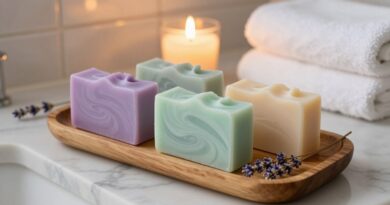
Handmade Soap: Elevate Your Bathing Routine
Make your morning shower feel like a spa with top-notch soap. Many find that regular soap takes away skin moisture.
A real natural soap keeps its moisturizing glycerin. Unlike common soaps, it doesn’t have harsh chemicals like sodium lauryl sulfate. This makes it gentle on your skin.
Artisans make these soaps in small batches for the best quality. Each bar is special, unlike what big factories make.
Choosing handmade skincare means you pick natural oils and pure extracts over fake colors. This gives you a creamy lather that makes your skin feel soft and hydrated every day. You deserve a lather that feels soft and luxurious on your skin.
Key Takeaways
- Artisanal products retain natural glycerin for superior hydration.
- Most cold-processed bars avoid synthetic detergents like SLS.
- Pure ingredients provide a gentler cleansing experience for sensitive skin.
- Botanical oils help nourish the skin barrier effectively.
- Small-batch methods preserve the natural benefits of plant extracts.
- Switching to quality cleansers improves overall skin health and glow.
- Every bar offers a unique scent and texture for a custom experience.
What Makes Handmade Soap Special
Handmade soap is special because it’s rich and nourishing. It also has a personal touch. This makes it better for your skin than regular soap.
Handmade soap is a mix of art and science. It’s made with natural ingredients in a special way. This makes each soap unique.
Defining True Handmade Soap
True handmade soap is made from scratch. It uses oils, fats, and essential oils. These are mixed with lye in a safe place to make a gentle soap.
Artisan soap makers are very proud of their work. They make sure each soap is made with care. This makes the soap both good for you and nice to look at.
The Glycerin Difference That Changes Everything
Handmade soap keeps glycerin, which is good for your skin. Glycerin helps keep your skin moist. Regular soap often loses this moisture.
Glycerin’s moisturizing properties help dry or sensitive skin. It hydrates and soothes dryness.
Handmade Soap vs Commercial Soap: Understanding the Key Differences
Knowing the difference between commercial and handmade soap is key for your skin. Commercial soaps use harsh chemicals that dry out your skin. Handmade soap, made with natural ingredients, nourishes and protects your skin.
Why Commercial Soaps Strip Your Skin
Commercial soaps have harsh chemicals like SLS. SLS takes away your skin’s natural oils. This can cause dryness, irritation, and even eczema. Your skin loses its natural barrier, making it harder to keep moisture in.
The Problem with Synthetic Detergents and SLS
Synthetic detergents and SLS make commercial soaps lather well and are cheap. But, they can harm your skin a lot. They remove natural oils and can irritate or cause allergic reactions. Using them long-term can lead to skin problems.
How Handmade Soap Protects Your Skin Barrier
Handmade soap uses natural ingredients that are kind to your skin. It has glycerin, which keeps your skin moist. Handmade soap keeps your skin’s barrier strong. It protects your skin from harm and keeps it healthy.
The Building Blocks: Essential Ingredients in Handmade Soap
Making handmade soap is an art. It’s all about picking the right ingredients. These include base oils, butters, lye, essential oils, and natural colorants.
Base Oils and Butters: The Foundation of Quality Soap
Quality handmade soap starts with base oils and butters. They make the soap moisturizing, lather well, and hard. Choosing the right ones is key.
Olive oil is great for handmade soap. It’s moisturizing and gentle. It’s perfect for dry or sensitive skin.
Coconut Oil for Rich Lather and Effective Cleansing
Coconut oil makes soap lather well and clean well. It also makes the soap feel luxurious.
Palm Oil for Hardness and Longevity
Palm oil makes soap hard and long-lasting. It keeps the soap’s lather stable.
Shea Butter for Nourishment and Skin Repair
Shea butter is good for the skin. It’s used in soap for its moisturizing and skin repair benefits.
Understanding Lye: The Chemical Magic Behind Soap
Lye, or sodium hydroxide, is key in soap making. It turns oils into soap. But, it’s all used up, leaving no residue.
Scenting Your Soap: Essential Oils vs Fragrance Oils
Handmade soap can smell good with essential oils or fragrance oils. Essential oils smell natural and are good for you. Fragrance oils have more scents but might have synthetic stuff.
Natural Colorants That Add Beauty and Benefits
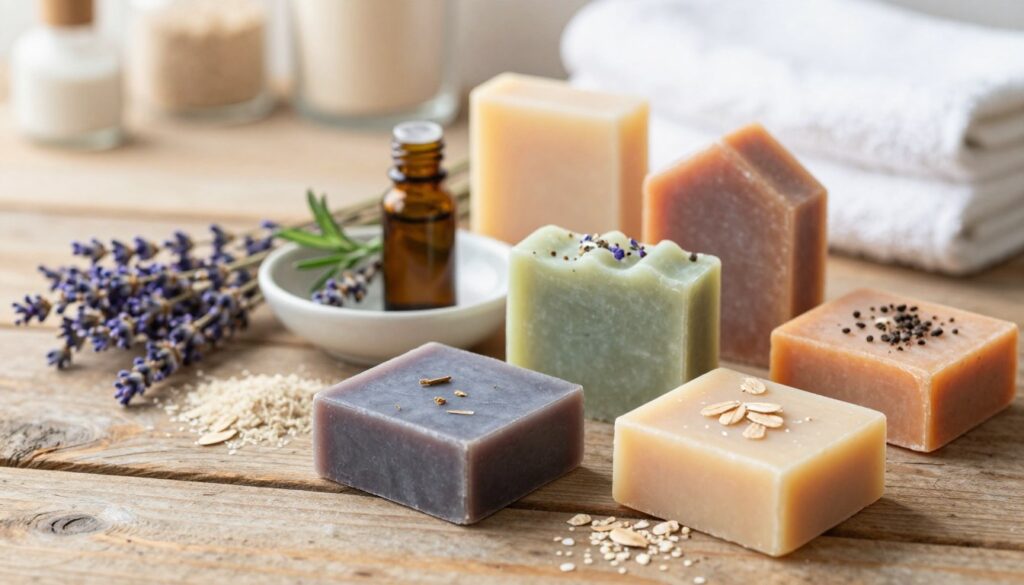
Natural colorants make soap look good and can help your skin. Things like clays, herbs, and spices can make different colors and textures.
The Art of Soap Making: Three Main Methods
Soap making is an art with many techniques. You can choose from cold process, hot process, and melt and pour. Each method has its own benefits and suits different needs.
Cold Process Soap Making
Cold process soap making is a traditional way. It mixes lye and oils at a low temperature. This method lets you customize your soap a lot.
Step-by-Step Overview
The cold process starts with measuring and mixing lye and oils. Then, it blends until it’s “emulsified.” Fragrances, colors, and additives can be added at this stage.
The mix is poured into molds. It hardens and goes through saponification.
Why Curing Time Matters: The 4-6 Week Wait
Curing time is key in cold process soap making. After unmolding, the soap cures for 4-6 weeks. This time lets water evaporate, making the soap milder and longer-lasting.
The curing process makes the soap gentle on the skin and gives it a rich lather.
Hot Process Method: Faster Results
The hot process method is faster. It uses heat to cook the soap mixture until it’s gel-like. This cuts down the curing time a lot.
Hot process soap can be used right after it cools and hardens. It’s good for those who want quick results. But, it’s harder to make detailed designs.
Melt and Pour Technique: The Beginner's Choice
Melt and pour soap making is great for beginners. It melts pre-made soap bases and lets you add fragrances, colors, and more. This method is safer because it doesn’t use lye.
Melt and pour soap making is perfect for beginners. It’s easy to use and lets you try out different designs and ingredients.
How Handmade Soap Benefits Your Skin
Handmade soap is great for your skin. It moisturizes and is gentle. It uses natural ingredients that clean and nourish your skin.
Superior Moisturizing Properties
Handmade soap keeps glycerin in it. Glycerin helps keep your skin moist. Commercial soaps often remove glycerin.
Natural oils and butters are used in making handmade soap. These include shea butter, coconut oil, and olive oil. They make your skin healthy and soft.
Gentle Care for Sensitive Skin Types
Handmade soap is good for sensitive skin. It doesn’t have harsh detergents or artificial fragrances. This makes it gentle and less likely to irritate your skin.
You can also make handmade soap for your specific skin type. This means you can get soap that really fits your needs.
Free from Harsh Chemical Detergents
Commercial soaps often have SLS (Sodium Lauryl Sulfate). Handmade soap doesn’t. It’s made with natural ingredients that are kind to your skin.
Natural Ingredient Benefits for Healthy Skin
Handmade soap uses natural ingredients. This makes it gentle and good for your skin. You can add essential oils, herbs, and botanicals to make it even better.
Choosing handmade soap means you get a natural skincare routine. It moisturizes, is gentle, and doesn’t have harsh chemicals. It’s a great choice for healthy, balanced skin.
Why Handmade Soap Outperforms Commercial Alternatives
Handmade soap is better than commercial soap because it’s simple, high quality, and clear. It’s made with love, focusing on skin health and the planet.
Fewer Synthetic Additives and Preservatives are a key feature of handmade soap. Commercial soaps have many chemicals to last longer and lather better. These can dry out the skin and cause problems. Handmade soap uses natural stuff that’s kinder to skin.
Fewer Synthetic Additives and Preservatives
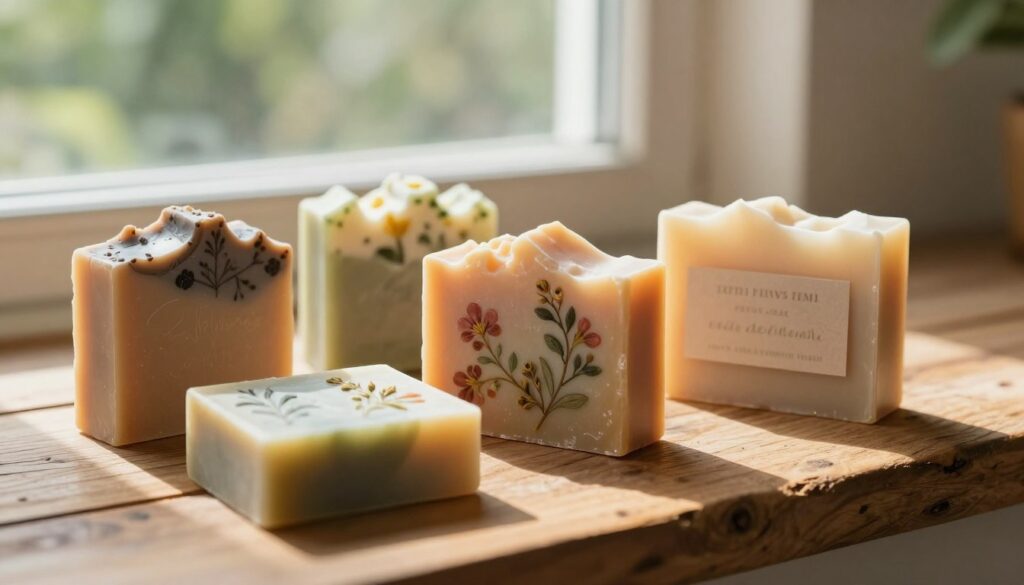
Handmade soap is made in small batches. This lets soap makers pick the best ingredients and avoid extra stuff. It’s better for skin and the planet. They use natural preservatives or make small amounts to avoid harsh chemicals.
Quality Ingredients Over Cheap Fillers
Handmade soap uses quality ingredients. Unlike commercial soaps that use cheap stuff to save money, handmade soaps focus on good stuff for skin. This makes handmade soap better for your skin.
Handmade soap has good oils, butters, and essential oils for smell. Each ingredient is picked for its good effects. This makes the soap clean and care for your skin.
Transparency in Production and Sourcing
Transparency is big in handmade soap. Soap makers share what’s in their soap, how they make it, and where they get it. This helps people choose the right soap for their skin.
Choosing handmade soap means you get a better product for your skin. It also helps support good practices in the skincare world.
The Environmental Impact: Choosing Sustainable Skincare
More people want to help the planet. They look for eco-friendly skincare options. Handmade soap is a great choice because it’s better for the environment.
Handmade soap makes less waste. It’s often packaged in things that can be recycled or break down easily.
Eco-Friendly Packaging and Minimal Waste
Artisans use simple, minimal packaging. This packaging is either recyclable or can be used again. It helps reduce waste and makes handmade soap special.
Biodegradable Formulations That Protect Waterways
Handmade soap doesn’t have harsh chemicals. It’s made with natural stuff that’s biodegradable. This means it won’t hurt fish or pollute water.
Natural oils and butters in handmade soap break down fast. This helps keep our water clean.
Supporting Small Batch Artisan Production
Choosing handmade soap helps small batch artisans. This support helps local businesses and promotes green soap-making.
Small batches mean less harm to the planet. It’s better than making lots of soap at once.
Selecting the Perfect Handmade Soap for Your Skin Type
Finding the right handmade soap is key. It depends on your skin type. Each skin type needs special care.
Handmade soap is made just for you. It can fix many skin problems. Whether your skin is dry, oily, or sensitive, there’s a soap for you.
Best Choices for Dry Skin
For dry skin, choose soaps with shea butter, coconut oil, and olive oil. These keep your skin moist and soft.
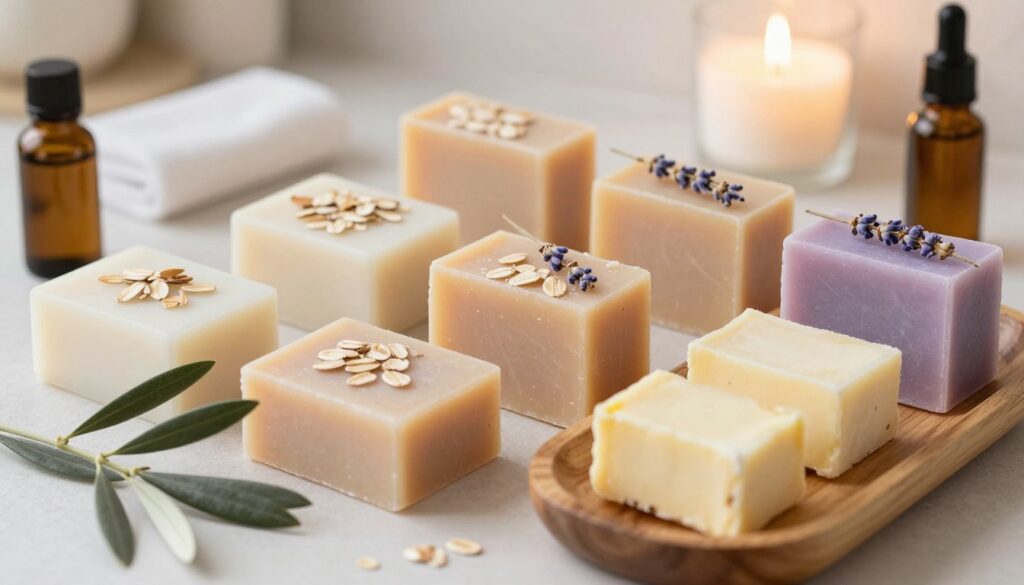
Soaps with honey and oatmeal also help. They moisturize and calm dry, itchy skin.
Recommendations for Oily and Acne-Prone Skin
For oily or acne-prone skin, pick soaps that control oil. Soaps with tea tree oil fight acne-causing bacteria.
Charcoal soap is good too. It cleanses and reduces oil. Choose non-comedogenic or oil-free soaps to avoid clogged pores.
Combination Skin Solutions
Combination skin needs a balanced soap. Look for soaps with nourishing and oil-controlling ingredients.
Soaps with aloe vera and green tea work well. They moisturize and control oil.
What to Look for with Sensitive Skin
Choose gentle soaps for sensitive skin. Avoid harsh chemicals. Opt for fragrance-free or natural scents.
Soaps with goat milk or calendula are good. They soothe and calm sensitive skin.
Maximizing the Life of Your Artisan Soap
Proper care can make your handmade soap last longer. To enjoy your luxury soap more, learn the best storage and soap dish use.
Proper Storage Techniques to Prevent Mushiness
Storing your soap right is key. Moisture harms soap, making it mushy or disintegrate fast. Store your soap in a well-drained spot.
Keep your soap away from water streams and don’t submerge it. In humid places, a dehumidifier in the bathroom helps.
Choosing and Using the Right Soap Dish
The right soap dish is crucial. Choose one with good drainage, like holes or an elevated design. This stops the soap from dissolving too soon.
Go for natural stone or ceramic dishes. They look good and work well. Stay away from water-holding or soap-sticky materials.
Tips to Make Your Handmade Soap Last Longer
There are more ways to keep your soap fresh. Cutting it into smaller pieces makes it last longer. Also, dry your soap fully before using it again.
Don’t use hot water with your soap. Warm or cool water is better. These tips help your soap last longer.
Conclusion
Handmade soap is great for your skin and the planet. It uses natural ingredients and eco-friendly packaging. This makes it a top pick for a green skincare routine.
Choosing handmade soap means better skin care and helping small businesses. It also cuts down on waste. Unlike regular soaps, it doesn’t have harsh chemicals.
Using handmade soap can make your skin look better and feel healthier. It’s good for the planet too. This is because it’s made to last longer and doesn’t harm the environment.
Try handmade soap today. Your skin and the planet will thank you. It’s a natural and green choice.